

South Australia opens $17.8m shared solar and battery scheme for strata
South Australia’s $17.8m StrataCharge scheme offers grants and zero-interest loans for shared solar and battery systems in eligible strata properties.
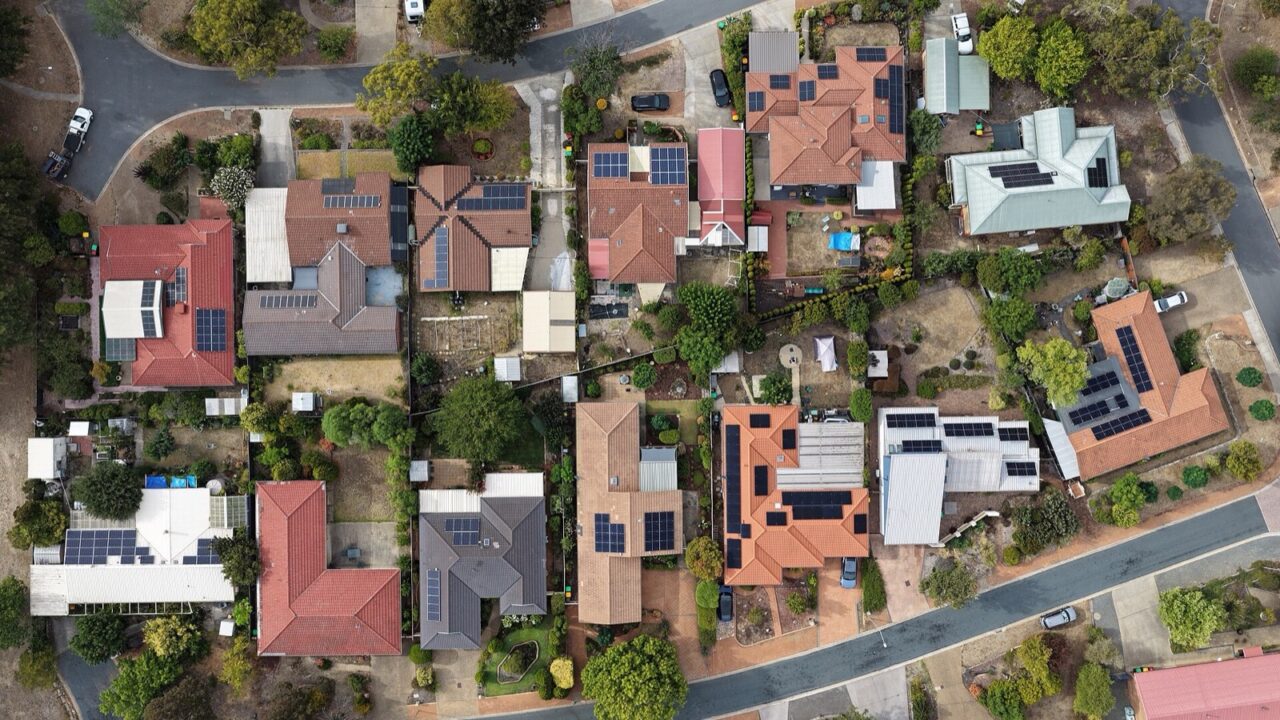
South Australian apartment and community-title residents can now seek support for shared solar and battery systems through a $17.8 million government package designed to address the costs and collective decisions that make rooftop energy harder in strata properties.
The StrataCharge program offers eligible applicants grants covering up to 50 per cent of a shared system’s cost, capped at $47,500 per property. An optional zero-interest loan can cover remaining eligible costs, also up to $47,500.
The South Australian Department for Energy and Mining says the program also provides guidance on system sizing, discussions within a strata corporation, and application and approval processes. Renewable-energy financier Brighte is handling applications and connecting approved projects with accredited installers.
Why strata has been a difficult solar market
Detached homes can often make a solar decision household by household. Strata communities have to deal with shared roofs, common electrical infrastructure, collective ownership and rules about how costs and benefits are divided.
Those complications can keep residents out of rooftop solar even when a building has suitable roof space. Tenants have even less direct control over whether a system is installed or how any savings are shared.
The joint government announcement estimates that 160,000 households, or about one in every 12 South Australians, live in strata or community-title properties.
The Commonwealth contribution includes $8.9 million from the Community Solar Banks program for grants covering up to half of eligible project costs. The package also draws on finance through the Clean Energy Finance Corporation’s Household Energy Upgrades Fund for the optional loans.
The announcement describes the loans as concessional, while the South Australian program page specifies that applicants will pay zero interest. Both the grant and loan caps apply per property, not per household.
What the package does — and does not — establish
StrataCharge creates a funding and delivery route. It does not guarantee that every building will be technically suitable, that every owners’ corporation will approve a project, or that all residents will receive the same bill reduction.
Actual outcomes will depend on system design, roof and electrical conditions, the number and type of meters, energy use, ownership arrangements and the rules adopted by each participating community. Buildings will also need to agree on maintenance responsibilities and how the system’s output is allocated.
The government’s claim that shared systems can lower bills is plausible, but the new program does not yet have a published record of installations or measured savings. Those results will only become clear as projects are approved and operating data accumulates.
That distinction matters because public funding is an input, not an outcome. Useful measures of the scheme’s performance will include the number of completed projects, participation by renters and lower-income households, the distribution of benefits within each building, and verified changes in electricity costs.
A broader access question
South Australia already has extensive household rooftop solar, but residents without control of an individual roof have had fewer options. StrataCharge is aimed at that structural gap rather than simply adding another subsidy for stand-alone homes.
It also tests whether grants, finance and project guidance can solve more than the upfront-cost problem. Governance can be just as important: a viable project still needs informed agreement among owners and clear arrangements for tenants.
Applications are open through the program’s delivery partner. Prospective applicants should check the published eligibility rules and obtain building-specific advice before treating the maximum grant or loan as an expected entitlement.
The scheme joins other publicly backed clean-energy projects, including ARENA’s support for an Australian waste-heat electrolyser pilot, but its focus is household access rather than industrial technology.